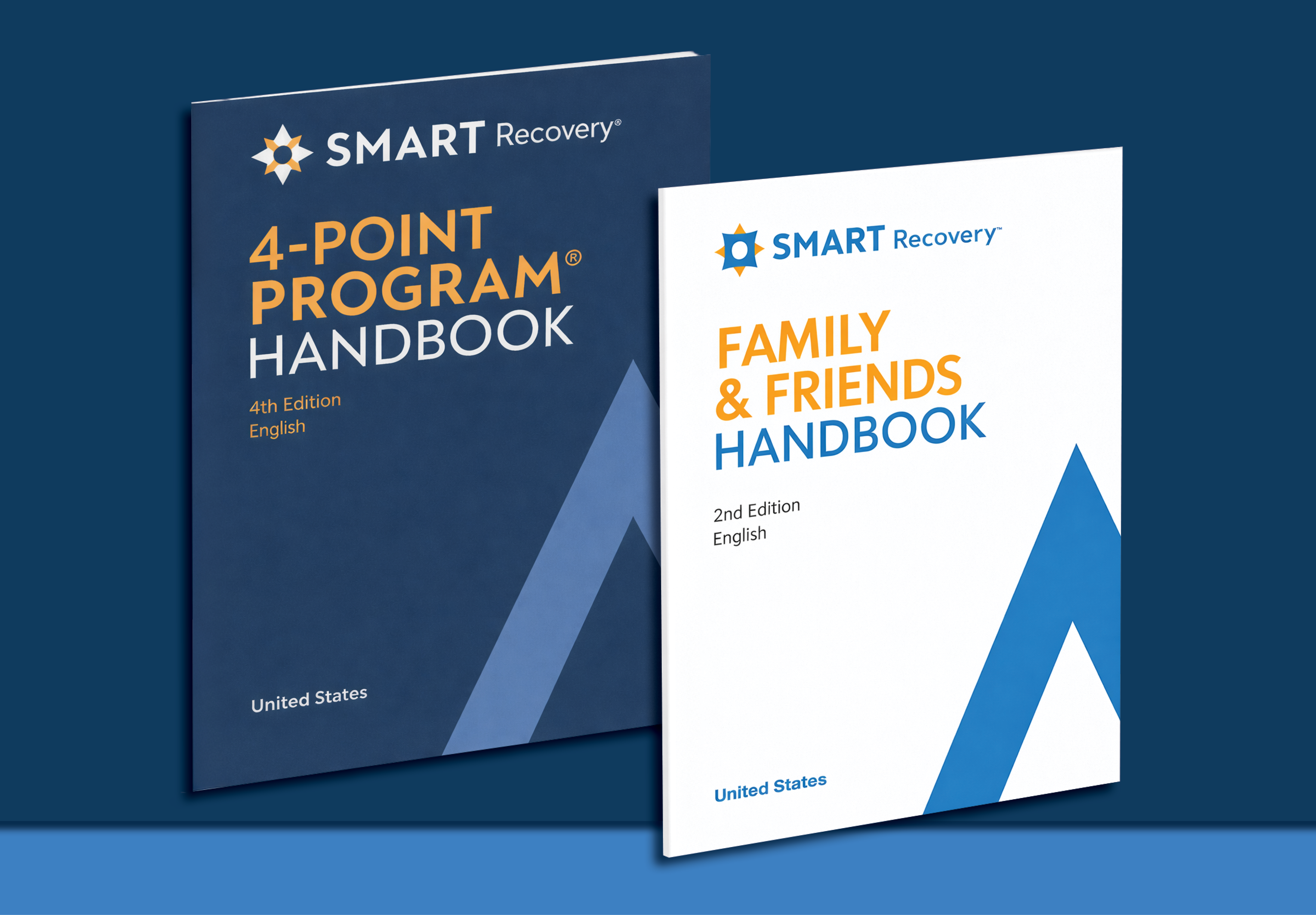
Since its founding over 30 years ago, SMART has championed individual choice in recovery. Across those years and now four editions of the SMART handbook, SMART has maintained a commitment to making its support available to and accessible for all. What do we mean when we say that SMART is accessible?
How Does SMART Provide Free, Facilitated Recovery Support?
Despite all meetings being led by trained facilitators, public SMART meetings have always been and always will be free. You don’t need to register or provide any information to attend. Organizations hosting private meetings for their clients may not charge a premium for access to SMART content and support.
Where Can You Access SMART Recovery Meetings and Tools?
SMART meetings are available both in-person and online. As we continue to grow our network of in-person meetings nationally, online meetings will remain an important accessibility strategy. We also make our tools available for free on our website, an important source of information for those in earlier stages of change.
Is SMART Recovery a Secular and Inclusive Program?
SMART does not prescribe any specific set of values or beliefs for our meeting participants. Individuals are encouraged to reflect on their own values. For some, those values are informed by religious beliefs. For others, the lack of religious content is a helpful characteristic of SMART. We are and will remain a secular program that does not prescribe any specific religious beliefs or practices.
How Do Plain-Language Tools Make SMART Content Easy to Understand?
The SMART tools have been helpful to many. The latest updates to our handbooks focused on readability and the use of plain language rather than jargon. This helps not just with understanding, but also with individuals feeling like they belong in the group more quickly.
How Long Do Participants Stay Involved in SMART Meetings?
SMART is not a lifetime commitment, though some people stay involved for life. Some people will learn new skills, build a balanced life, and then go live that life. Others will identify more with their recovery journey and continue to attend as participants for years. And some will choose to get trained to facilitate meetings. We appreciate those who give back to SMART, but it isn’t required.
How Is SMART Working to Remove Future Barriers to Accessibility?
-
listening to feedback from our participants;
-
participating actively in building local communities of empowerment with values-aligned partners nationally; and
-
seeking funding to reduce or eliminate the cost of SMART volunteer facilitator training.
Have another idea for us to consider? Let us know! We are committed to continuing to improve and evolve as time goes on. Join us in making SMART’s accessible approach available in your community today!
Helpful links:
.jpg)