[Guest blog by SMART facilitator Joel Walkowski]
“What are your goals?”
I’m sitting in a SMART Recovery meeting in early 2022. I started SMART to get sober but stayed to maintain a balanced life. The curriculum has helped combat urges and generally changed my thinking about substances but I find the program’s real power comes from being asked to look inward.
Classifying my goals might seem like a departure from the traditional sobriety journey but that’s what I like about SMART. The program is designed around not just recovery but self-inventory. Every meeting brings me a little closer to myself.
I might not know who I am but I know who I wanted to be. Addiction derailed a once-promising writing career. My early twenties were spent trying to be an author. I felt like this career path would best accommodate my drinking habits so I used and wrote. Within a year, I nearly succumbed to alcohol-related internal bleeding that required fourteen blood transfusions to fix.
SMART helps me ask myself a question. What do you actually want? What would be my wildest dream? What could possibly replicate the highs of a life revolving around substances?
To write something sober. Not just anything. A book. This book.
I didn’t think I could do it. Not sober anyhow. Booze and pills and drugs were part of my creative outlet. I figured sobriety meant artistic retirement.
I was wrong.
SMART didn’t just help generate the original idea but helped guide me through the process of turning the idea I’d been kicking around my head for a decade into a piece of literature. Honolulu Blues is a different type of sports book. I didn’t just want to write about my favorite team. I needed to capture how the Lions were the scoliosis-riddled backbone of a family that sorely needed a crutch, explore my relationship with the team like Nick Hornby’s FeverPitch and find the poetry between Detroit generations like Jeffrey Eugenides’ Middlesex.
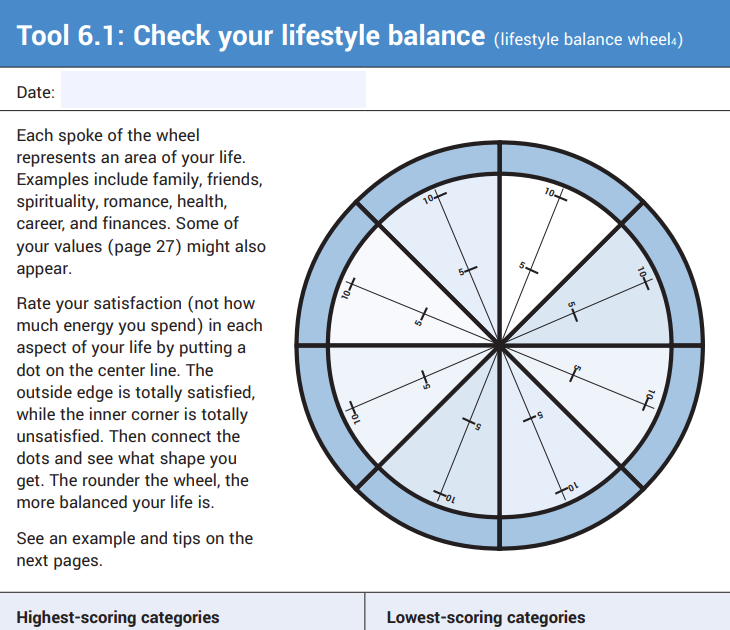
SMART gave me a goal. It also gave me a path to achieving it. I made the book the top spot on my Hierarchy of Values as I arranged my weekly schedule around not just staying sober but achieving my biggest dream. Thanks to SMART, the ambition of writing a book shifted from an addiction trigger to something supporting a balanced life.
I worked on the book for three years, boring members of the SMART group I facilitate with weekly updates during my check-in. Progress was incremental and painstakingly achieved but ultimately the most joyful and fulfilling process in my life. Honolulu Blues is set to publish July 14th. You better believe that I’ll be mentioning it during check-in.
What follows is a brief excerpt from the work. Dan Campbell, Lions head coach, is conducting a ground up rebuild of the franchise and I do the same by choosing to attend a SMART meeting. We both find our way, in large part due to a willingness to change.
Enjoy this excerpt from Honolulu Blues.
Dan Campbell starts his day with two Venti Starbucks red eyes and still his enthusiasm dwarfs caffeine levels. He’s not excited about coaching a team, he’s excited about coaching this team: the poisoned locker room that never wins. Everything Campbell needs to know about Detroit he learned playing on 2008’s winless squad. Winning in this place will be different. Attending the Met Gala hits different when you take the subway there.
Dan builds his coaching staff around former players and reaches out to veteran players to ask what worked. Two particular assistants—Ben Johnson and Hank Fraley—are championed and thus retained. Dan’s first instinct is asking what his troops want. True servant leadership.
We cannot create a new identity without severing the old one. Stafford only has a few good years left. Not wanting to spend them in another rebuild, he requests a trade.
He’s not just the star player. Stafford’s my totem, a substitute for paternal guidance. I’ve never met the man but project my bullshit on his career, making him life’s navigational guide. Ultimate victory eludes us but we fight like hell in shitty circumstances. That’s a win.
I would rather give away my social security number than admit this, but I sob when Stafford gets traded.[1] I don’t weep over a player. I cry for how meaningful parasocial relationships became.
Stafford goes to the Rams for a bounty of picks. Thrown into the deal is Jared Goff, a former first overall pick now serving as cap filler. Goff led his Rams to the Super Bowl but got exposed on the big stage, held to a measly three points by Bill Belichick’s Patriots. Coach Sean McVay makes him a pariah, ruining his confidence and reputation. Goff’s overpaid. Goff’s soft. Goff isn’t a starter. His presence under center is an anthropomorphized white flag of surrender.
Goff doesn’t come to Detroit because he’s good. He comes because he’s unwanted.
It’s about reframing the facts. Being somewhere because you failed elsewhere isn’t a bad place to be.
Feeling discarded like Goff, I arrive at the Phoenix House—a recovery center on the bustling border of Crown Heights and Bed-Stuy. I ring the buzzer, hoping no one will answer. A few seconds waiting is enough time to imagine the rest of my life.
I’ll go home and continue using, telling myself I tried but excusing myself because “no one answered the door.” Trying and failing to attend a meeting is better than nothing. I wasn’t the one who failed to address my addictions. It was the receptionist.
Someone answers. I trade a perfect September afternoon for the fluorescent din of a windowless room. It’s the best place I’ll ever be.
My journey begins by telling a therapist, “I need to get sober.” My only caveat is no 12-Step programs. They were the family religion, dished out as a childhood punishment worse than beatings or having my glasses confiscated.[2] They helped my dad not drink and my mom stop bulimically bingeing but it’s hard to argue they served us. Meetings were a household pillar but the household was miserable.
Also, I dread someone asking about my higher power and watching eyes roll when I bring up Barry Sanders.
My program needs to belong to me, not my family. My therapist recommends an alternative: SMART Recovery.
Self Management And Recovery Training. Many programs revolve around an addict’s powerlessness; SMART empowers. Individuals change behaviors by changing their thinking. This process is borrowed from cognitive behavioral therapy and is strengthened by self-inventory. You don’t need to take steps or submit. You need to look inward and truthfully answer. I need to change the way I perceive—something I’ve practiced with my team for a lifetime.
Bryan, a tattooed man wearing jorts and a skullet, facilitates the meeting. He punches in for direct conversations and leads exercises on a whiteboard provided he finds a working marker. These are his tasks but his job is fostering buy-in. Even when the task is daunting. Even when constituents have only ever failed.
The preamble is read. I hate it. Structure revolves around individual shares followed by cross talk and exercises. I’m planning to leave but conversation turns to me before I can escape.
Something happens. I share. Everything. The stories of this book went untold until I tell them on this day, albeit with less expletives directed toward Matt Millen. Check-ins usually last a couple minutes. I expound for a half hour with blunt honesty that grinds the meeting to a halt. The room is windowless but part of me finally sees the sun.
The cliche that “a weight has been lifted” is wrong. Speaking about addiction makes me feel every ounce. Every aspect of life carries it.
My unique, earth-shattering epiphany is old hat to the group. They get to work. An exercise called ABC illustrates connections between thoughts and behaviors.
Activating events leverage underlying Beliefs about ourselves and the world, bringing unwanted Consequences. Much of my perception is an excuse to use. What was cool and productive and fun is really just damage and low self-worth.
I get tools. From a scientific perspective an urge isn’t cumbersome but a notion averaging roughly 20 minutes. I’m told to purchase the SMART handbook and do the exercises, organizing thoughts into “rational” versus “irrational.” The procedure’s cold logic doesn’t bring the typical shame but the same old optimism.
I leave the meeting. I’m not a brand-new man but entertain the idea that one might exist.
The new regime begins.
Excerpted from Honolulu Blues, copyright © 2026 by Joel Walkowski. Reprinted with permission from Matt Holt Books, an imprint of BenBella Books, Inc. All rights reserved.
[1] 901-05-3317
[2] This one sucked. I would stumble into cabinets for hours.