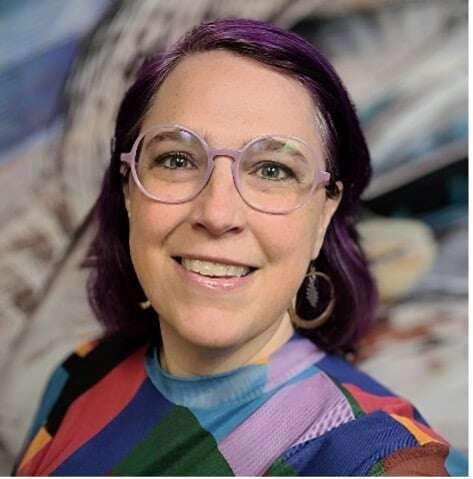
[Guest blog by Jasmine Hilbert, SMART's Director of Outreach]
I have been thinking a lot about our SMART volunteers and participants and reflecting on our meeting spaces. I think highly of our volunteers who show up week after week and facilitate conversations about change. You share tools. You hold space. You listen. You encourage. You empower. Then I shift to our participants that show up, and the simple truth is, we don’t always know what challenges a person is carrying into our meetings.
Maslow’s Hierarchy of Needs reminds us that before someone can focus on growth, self-reflection, and long-term change, their most basic needs must be met. It is hard to concentrate on making change or building a new life when you are unsure where your next meal will come from. It is difficult to practice new coping skills/tools when rent is due, the electricity is about to be shut off, or you do not have a safe space to sleep tonight. Life is hard sometimes, and sometimes we all just need a little help.
Recently, I had the opportunity to be part of something that reminded me why the work we do truly matters. SMART partnered with the University of Arkansas’s Student Recovery group on an outreach project to make care bags for the local unhoused population. Even though I am not local to the area, I was still able to help brainstorm ideas, support the planning process, and create a simple flyer with meeting resources for folks to have if they needed.
The flyer wasn’t anything fancy, it didn’t solve the housing crisis or fix inflation. What it did was give them information, and information and education is POWER. With information and education, you can make informed decisions, you can connect with resources…or not. Just like in a meeting, we can share a tool, show you how it works, but you get to choose if you want to use the tool or discard it. Regardless, you have the information, it is there, waiting for you whenever you want to tap into it. To me, the flyer represents us saying, “We see you.”, “You matter.”, and “Here are options.” It isn’t a demand or a push, just an extended hand that says support is available. This is something I believe that SMART already does so well, we have SMART Tools available and on the ready for folks to print out or fill out online as much as they need while they take this journey. We have handbooks they can work through as they navigate the changes and stages in their life.
This is the beauty of SMART and our values. We strive to meet people where they are, show up, and treat every human being with dignity and care. We recognize that change doesn’t happen with a wave of a wand, and that the folks attending our meetings are much more than their harmful behavior, they are a whole person navigating a whole life, just like ourselves.And when we help others, we help ourselves.
With the project behind me and SMART’s values in front of me, I began thinking about how we could continue to build layers of support in our local communities. How can we extend our handout to our participants to say support is there? No, we don’t have all the answers, we are living this life too. No, this doesn’t slap a roof over someone’s head or fill a fridge, but we can start somewhere. It is better to light one candle, than to curse the darkness.
I imagine a flyer by the door or resource table at our meetings, or a national flyer with national resources posted in the chat in meetings spaces. One small sheet of paper (or pdf) that lists contact information for local food pantries, domestic violence centers, crisis hotlines, local Department of Health and Human services, nearby SMART meetings…the list is endless. It is also unique because there are different resources in each of our communities. What ties it all together is the goal: let folks know that there are options and they are not alone.
To me this is another way to support the whole person. Recovery and change are about building a life you’re excited to live, and sometimes that begins with stabilizing the basics. When we acknowledge that people have real-world challenges outside the meeting room, we deepen our compassion. We create spaces that feel more human.
I am always looking for ways to strengthen our communities. I believe that small, intentional actions can ripple outward in ways we may never fully see. A simple flyer in a care bag, a cookie and conversation at a SWAP syringe exchange, a resource sheet picked up quietly after a meeting…we don’t know how small act of kindness can impact a person.
I have peace and joy knowing that any act, no matter how small, is never a waste of time or a bad thing. When we plant a seed in the ground, we don’t know if it will germinate and grow, we just trust that with water, sunlight and care, it will bring forth something beautiful!
If you have ideas about outreach in your area and would like to connect, please feel free to reach out to me at jhilbert@smartrecovery.org.
I will leave you with final words from one of my favorite fictional characters, Gandalf. In The Hobbit he says, “Some believe it is only GREAT POWER that can hold evil in check. But that is not what I have found. I have found that it is the small everyday deeds of ordinary folk that keep the darkness at bay. Small acts of kindness and love.”
To find a SMART meeting, visit HERE